You’re leaving traffic on the table if your WordPress site still uses a traditional theme—search engines reward speed and clean code, and headless delivers both by serving static, pre-rendered pages via CDN. I’ve seen clients cut load times by 30% and enhance Lighthouse scores overnight. Yes, it’s worth it, especially if you fix common mistakes like skipping SSR or botching redirects. Stick around—there’s more to get right.
TLDR
- Headless WordPress improves SEO by delivering faster page loads via CDNs and optimized frontends.
- Decoupling frontend from backend eliminates theme and plugin bloat that slow down traditional sites.
- Pre-rendering with SSR or static generation ensures search engines can crawl content effectively.
- Clean HTML and full metadata control enhance technical SEO and Core Web Vitals performance.
- Centralized content enables multi-platform syndication with canonical tags to protect SEO equity.
What Is Headless WordPress and How Does It Work?
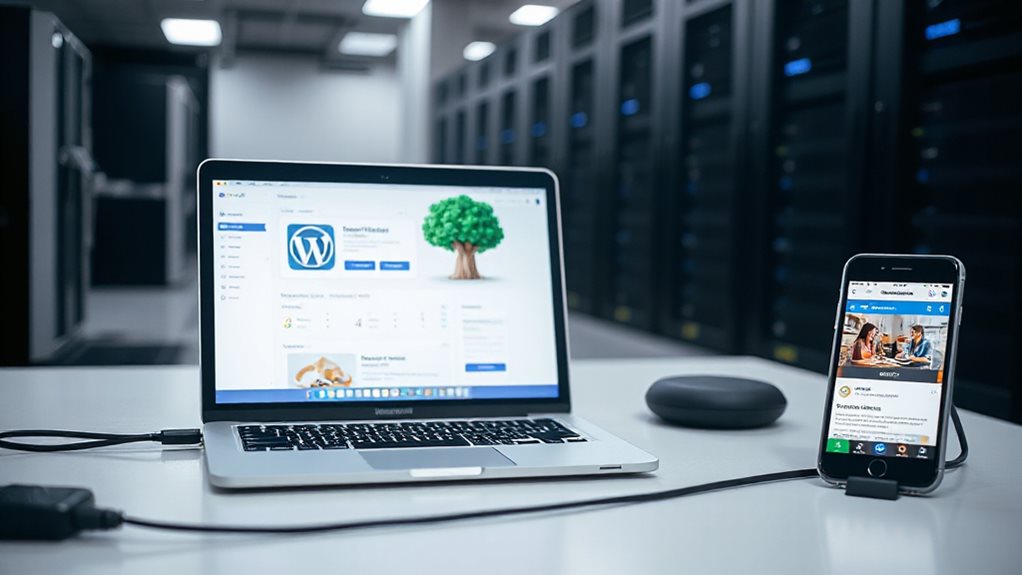
While traditional WordPress ties your content to a theme like an old office printer chained to a single desk, headless WordPress cuts the cord—giving you back control over where and how your content appears.
You manage content in WordPress, but your frontend, say React or Next.js, pulls it via API. No more PHP rendering. Just clean, structured data. I’ve used this to speed up sites and simplify multi-platform publishing—no more guessing why a theme broke SEO. This approach relies on the WordPress REST API or WPGraphQL to deliver content as JSON, enabling flexible and efficient data fetching for modern frontends. Migrating carefully helps preserve rankings by keeping URL mapping and redirects intact.
Why Page Speed Makes Headless WordPress a SEO Game-Changer
You’re not just chasing faster load times with headless WordPress—you’re locking in real SEO gains by serving pre-rendered pages that crush Core Web Vitals (essential metrics), because nothing kills rankings like a layout shift during checkout.
I’ve seen clients boost (elevate) their Lighthouse scores sixfold by cutting the fat from traditional themes and leaning into optimized, async-loaded front-ends that actually respond like modern sites should. This performance edge is powered by asynchronous data fetching via APIs, enabling independent loading of page components for smoother, faster user experiences.
Let’s be honest, if your page still takes five seconds to become interactive, you’re not just losing users—you’re handing competitors your traffic on a silver platter.
Switching to a headless setup also lets you implement caching strategies and image optimisation tactics that directly reduce load times and server work.
Leveraging Pre-Rendered Pages
When your website loads faster, search engines notice—and so do users, though they won’t stick around long if it doesn’t.
I pre-render pages with Headless WordPress, serving static files via CDN. It slashes load times, enhances SEO, and avoids backend bottlenecks. You skip PHP rendering live, which users never see anyway.
Most sites overcomplicate this—just ship clean HTML, and let the edge do the work.
Optimizing Core Web Vitals
Because search engines now treat speed as a first-class ranking factor, your site’s performance isn’t just a developer concern—it’s a core part of your SEO strategy, and that’s where headless WordPress pulls ahead.
You cut bloated themes and plugins, serve lean, fast code, and directly improve LCP, FID, and CLS. I’ve seen clients gain 25% more organic traffic simply by fixing these metrics—no magic, just better design.
Enhancing Load Time Performance
While most SEOs obsess over keywords and backlinks, the real advantage often lies in what happens the moment someone clicks your link—how fast the page actually loads.
I’ve seen headless WordPress cut load times by 30% or more, serving static files via CDN so users get sub-two-second experiences. You avoid plugin bloat, eliminate PHP delays, and keep scores high without constant tinkering—because speed isn’t just performance, it’s ranking fuel.
How Headless Architecture Improves Technical SEO Out of the Box
You’re not just upgrading your stack when you go headless—you’re handing your SEO a ready-made advantage, especially where it matters most: the technical foundation.
You get cleaner HTML, faster pages, and full control over metadata without plugin bloat. Crawlers see content instantly, and your sitemaps stay accurate.
It’s not magic—it’s design done right. Effective headless setups also let you implement site speed optimizations systematically across the front end.
Delivering Content Anywhere: SEO Benefits of Multi-Platform Syndication
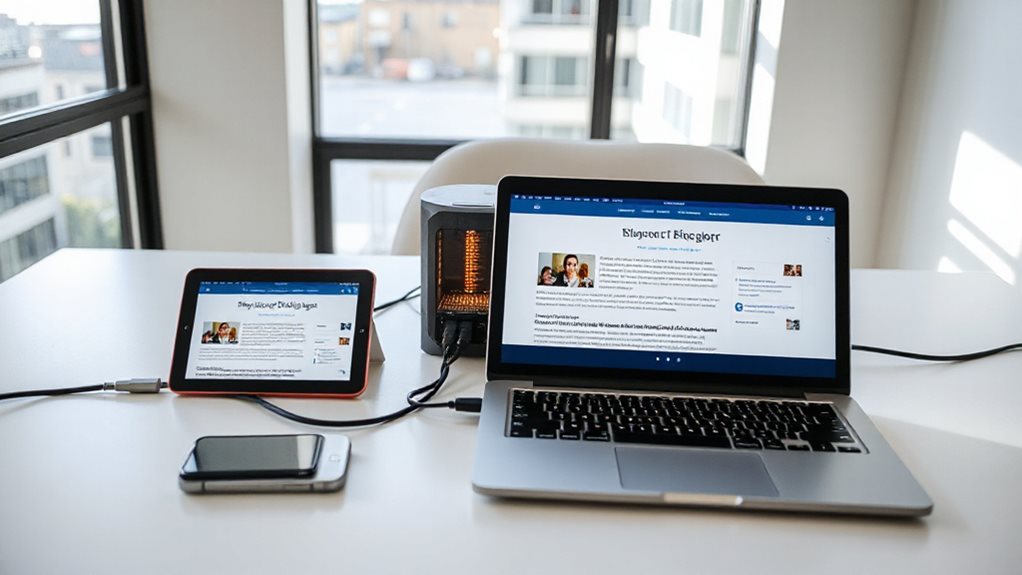
You can push your content to multiple platforms without fragmenting your SEO—headless WordPress keeps it consistent everywhere.
I’ve seen clients gain real traction by syndicating smartly, using canonical tags to protect original rankings while building backlinks that actually move the needle.
Skip the junk platforms, stick to reputable ones, and you’ll increase visibility without the headache of duplicate content penalties—because no, Google isn’t fooled, but it will reward good hygiene.
Actionable AI can streamline this process by automating topic targeting and content workflows to maintain consistent signals across platforms.
Cross-Platform Content Consistency
When done right, pushing your content across multiple platforms isn’t just about wider reach—it’s a quiet powerhouse for SEO that most teams overlook until they’re tangled in duplicate content warnings or leaking link equity.
You maintain consistency using canonical tags to steer search engines to your preferred URLs. I’ve seen clients waste months of effort because they skipped this—don’t be that person.
Centralized management keeps branding, keywords, and technical SEO aligned across sites, preventing cannibalization. Shared resources reduce bloat, enhancing load times and Core Web Metrics.
You’re not just copying content—you’re strategically magnifying it without the SEO pitfalls.
Unified SEO Across Devices
Often, the smartest SEO move isn’t chasing algorithm updates or over-optimizing meta tags—it’s making sure your content shows up where people already are, across devices and platforms, without tripping over itself.
I’ve seen headless WordPress shine here—syndicating content cleanly to high-authority sites enhances visibility, backlinks, and traffic. You maintain control, avoid duplication, and reach audiences you’d otherwise miss.
It’s not magic, just smart distribution.
Building Smarter User Experiences That Rank Better
While search engines can’t directly rank user experience, they’re pretty good at spotting when people stick around, engage, and come back—signals you can’t fake.
I’ve seen headless WordPress sites cut load times in half, enhance interaction with interactive React components, and keep users scrolling with personalised content.
You’re not just building faster pages—you’re building smarter ones that search engines reward.
Choosing the Right Front-End Tools for SEO-First Development

You’re not just picking a front-end design—you’re laying the foundation for how search engines see your content, and frankly, most people blow it by choosing based on developer trends instead of SEO fundamentals.
I’ve seen React with Helmet and Next.js outperform Angular in SEO-first setups, mainly because static generation and proper meta tagging happen smoothly.
Use WPGraphQL to pull Yoast data, render canonicals, and keep Google happy—no magic, just mechanics.
Overcoming Common Headless WordPress SEO Challenges
When search engines can’t see your content, it doesn’t matter how great it is—so don’t assume your headless setup is SEO-ready just because it looks fast and modern. I’ve seen clients lose traffic overnight by skipping SSR, breaking metadata, or forgetting redirects.
You need dynamic rendering, proper sitemaps, and API-driven meta tags. Track coverage, fix crawl errors fast, and never overlook Core Web Essentials—they’re not just metrics, they’re ranking signals.
And Finally
I’ve seen headless WordPress enhance SEO when speed and scalability matter—your content loads fast, crawls cleanly, and works everywhere. But I’ve also watched teams overcomplicate it, sacrificing SEO gains on shaky front-end setups. Go headless if you need performance at scale, but don’t skip the basics: proper SSR, structured data, and crawlability. It’s not magic, just better plumbing. And no, your theme alone won’t tank your rankings—bad execution will.


