Why More Pages Can Make SEO Worse
More pages don’t help if they’re slow, thin, or redundant—because Googlebot wastes crawl budget on junk instead of your best content. I’ve seen bloated sites with hundreds of filtered URLs dilute their authority and tank rankings. Duplicate pages, unoptimized images, and fluff hurt speed, mobile UX, and E-E-A-T. You’re not building authority—you’re spreading it thinner. Fixing this isn’t just cleanup; it’s strategic refinement that often enhances traffic, and there’s more to get right than most realize.
TLDR
- Excess pages waste crawl budget, causing search bots to ignore important content.
- Duplicate or thin pages dilute topical authority and harm E-E-A-T signals.
- Bloated sites slow page speed, increasing bounce rates and hurting rankings.
- Keyword cannibalization splits ranking signals among similar, competing pages.
- Low-value pages reduce domain authority; pruning them can boost organic traffic.
Long Content Hurts SEO When It’s Bloated

While you’re busy creating content, Google’s crawl bot might be stuck sifting through thousands of low-value pages it doesn’t know what to do with—and that’s a problem.
I’ve seen bloated sites waste 85% of their crawl budget on filtered views or thin pages. You’re not helping Google; you’re hindering it. Trim the fat, consolidate signals, and let your best content breathe.
This happens because index bloat consumes crawl budget. Hidden technical issues like duplicate parameterized URLs and poor site architecture often cause the crawl waste described above.
How Long Content Slows Down Your Site
When your content stretches on longer than a double espresso on a Monday morning, you’re not just testing your readers’ patience—you’re dragging down your site’s speed with every extra image, script, and paragraph.
I’ve seen bloated pages take 486% longer to load. Trim images, limit HTTP requests, and cut unused code. Consider implementing caching strategies to reduce repeated server work and speed up repeat visits. Longer content typically attracts more backlinks, but only if it loads quickly enough for users and crawlers to engage with it—longer content typically attracts more backlinks.
Speed isn’t just nice—it’s necessary.
Slow Pages Increase Bounce Rates and Hurt Rankings

You’re losing visitors faster than you can say “buffering” the moment your page slows down, and yes, that lag is quietly torpedoing your search rankings too. I’ve seen sites drop 11% in bounce rate just by cutting load time from 3 to 1 second.
Google notices when users flee—fast pages rank higher, especially locally. Don’t make them wait; speed keeps them engaged and amplifies conversions. Practical lessons I’ve learned diagnosing and fixing underperforming sites show that addressing slow resources like unoptimized images and render-blocking scripts usually yields the biggest gains.
Mobile Users Abandon Long, Cluttered Pages
You’re losing mobile users the moment your page takes more than a few seconds to load, and clutter only makes them bounce faster.
I’ve seen clean, fast-loading pages outperform feature-heavy ones every time—users don’t care about your fancy design, they want answers now. Keep it lean, load under three seconds, and watch fewer shoppers ghost you before checkout. Bloated themes with unnecessary scripts and large assets often slow pages and harm rankings, so audit and trim theme bloat to improve speed and SEO (consider theme performance).
Slow Load Times
Let’s cut through the noise—slow-loading pages aren’t just annoying, they’re actively driving your mobile visitors away, and the numbers don’t lie.
You lose half your traffic if pages take over 3 seconds. I’ve seen sites drop 12% in conversions per second of delay. Google wants under 2 seconds for e-commerce. Most mobile pages take nearly 9. You’re losing revenue every second it drags.
Poor Readability On Mobile
Slow load times might be driving visitors away, but even if your page finally loads, poor readability on mobile can finish the job just as fast.
I’ve seen clients lose 60% of users simply because text was too small or cluttered. You’re asking for abandonment if visitors must zoom or guess where to tap.
Clean layouts, legible fonts, and responsive design aren’t luxuries—they’re baseline.
And yes, that “mobile-friendly” label? Worthless if the content still fights the user.
Too Many Pages? You’re Cannibalizing Keywords
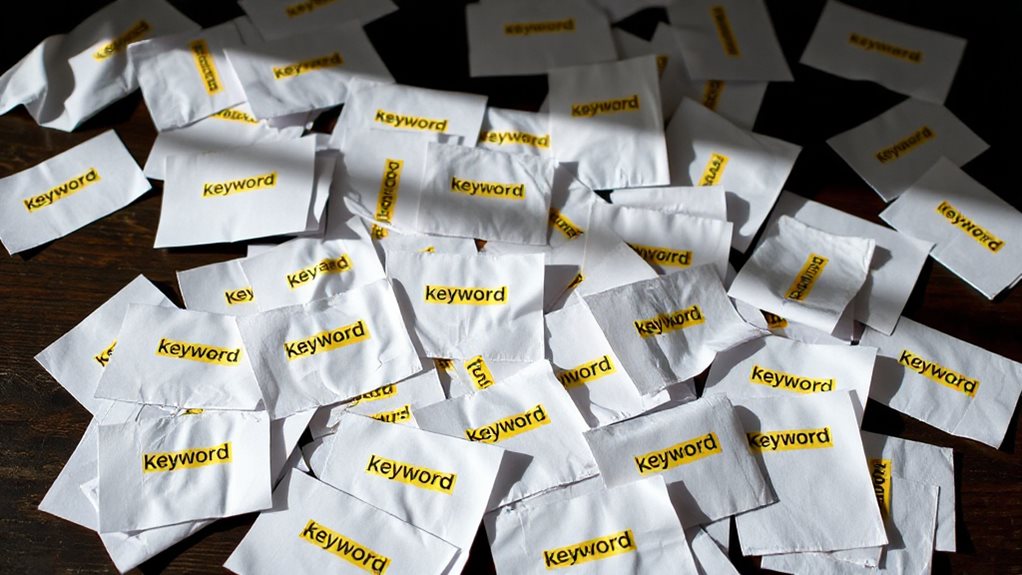
When you’ve got too many pages chasing the same keywords, you’re not expanding your reach—you’re accidentally playing search engine whack-a-mole.
I’ve seen it countless times: authority splits, rankings wobble, and traffic scatters.
You think you’re winning, but Google’s just guessing which page matters.
Consolidate. Focus. Let one strong page earn its keep—because divided strength is no strength at all.
Thin Long-Form Content Weakens Site Authority
You might think publishing more long-form content automatically builds authority, but I’ve seen thin pages with fluff and filler actually erode trust over time.
When your site spreads itself across too many shallow articles, it dilutes focus and tells search engines—and users—you’re not the expert you claim to be.
Quality wins because real depth, not word count, earns backlinks, engagement, and the kind of repeat visits that elevate rankings.
Thin Content Dilutes Authority
Occasionally, I see websites add dozens of long-form pages expecting a ranking lift, only to wonder why their authority keeps shrinking—turns out, length without substance backfires.
You’re not just wasting space; you’re actively weakening your domain’s trust. Thin content dilutes topical strength, confuses search engines, and erodes E-E-A-T.
Fewer, stronger pages outperform shallow ones every time—quality compounds, while fluff just accumulates.
Excess Pages Reduce Focus
While it might sound counterintuitive, pumping out endless pages of long-form content won’t magically enhance your rankings—especially when those pages lack focus.
I’ve seen sites drown in their own content, spreading intent so thin that even strong topics get lost.
You’re better off consolidating around clear, purposeful pages that actually answer user queries—because search engines reward clarity, not clutter.
Quality Over Quantity Wins
Google doesn’t care how many pages you publish—it cares whether those pages earn their place in the index.
I’ve seen sites with hundreds of thin posts get outranked by smaller, focused sites.
You’re wasting crawl budget, diluting authority, and feeding algorithms reasons to ignore you.
Depth beats volume every time.
Skip the fluff—build pages that answer fully, satisfy users, and earn trust.
That’s how you rank.
Trimming Content to Boost SEO and UX
Let’s cut through the clutter—keeping every page you’ve ever published isn’t helping anyone, and in fact, it’s probably dragging your SEO down.
I’ve seen deindexing 5–20% of stale pages amplify organic traffic by over 100%. It frees up crawl budget, strengthens authority, and simplifies browsing.
Prune old, weak content—your users, and Google, will thank you.
And Finally
I’ve seen it too many times: adding pages just to “boost SEO” backfires. Long, bloated content slows your site, frustrates mobile users, and often cannibalizes your own keywords. Thin or repetitive pages don’t impress Google—they dilute your authority. I trim fluff, focus on clarity, and consolidate where it makes sense. Better to have fewer, stronger pages than a sprawling mess. Speed, relevance, and user experience win. Keep it lean, useful, and fast—because more isn’t better, it’s just more.